Property Market in Austria
Summer in the Austrian Alps
The article topic Property Market in Austria, Property Purchase in Austria, Austrian Lifestyle
12 Apr 2026
Summer in the Austrian Alps:
Why Ski Resorts Are Even Better Off-Season
When most people think of Austria, they picture snow-capped peaks, cosy mountain chalets, and world-class ski slopes. And rightly so, Austria is home to some of the finest ski resorts in Europe, drawing millions of winter visitors to destinations like Kitzbühel, Schladming, Sölden, and Zell am See. These are legendary names in the world of winter sports, places where the skiing is exceptional and the après-ski culture is equally celebrated.
But here is the story that not enough people are telling: Austria in summer is spectacular and it is fast becoming one of Europe's most desirable warm-weather destinations. What was once considered an off-season is no longer quiet at all. Thanks to substantial investment in leisure infrastructure, both from public bodies and private companies, the Austrian Alps now offer a richness of summer experiences that rival, and in many ways surpass, those found anywhere else.
This shift matters enormously for property investors. A destination that draws guests year-round is far more valuable than one that sits idle for half the year. Here we explore why Austria's mountain resorts have become summer destinations in their own right, what keeps visitors coming back in July and August, and why this trend makes Austrian alpine property one of the most compelling investment opportunities in Europe today.
From Winter Legend to Year-Round Destination
Austria's alpine resorts have long had the hotels, the restaurants, the transport links but originally some of it sat underused from May through October. The transformation of recent years is the result of deliberate, coordinated investment. Regional governments across Tyrol, Salzburg, Styria, and Carinthia have directed significant funds into summer tourism infrastructure, while private ventures such as lift companies, hotel groups, and leisure developers as well as local SME have followed suit.
The results are visible everywhere. Gondolas and chairlifts that once carried skiers in winter now ferry hikers and mountain bikers to high-altitude trails all summer long. Purpose-built adventure parks, open-air swimming facilities, and family activity centres have sprung up across the valleys. Cultural festivals, outdoor concerts, and wellness retreats fill the calendar from June to September.
The occupancy figures reflect this: summer booking rates at alpine properties in Austria have risen sharply over the past ten years, with some regions reporting summer occupancy levels approaching or exceeding those of the winter season.
A World of Summer Activities: Something for Everyone
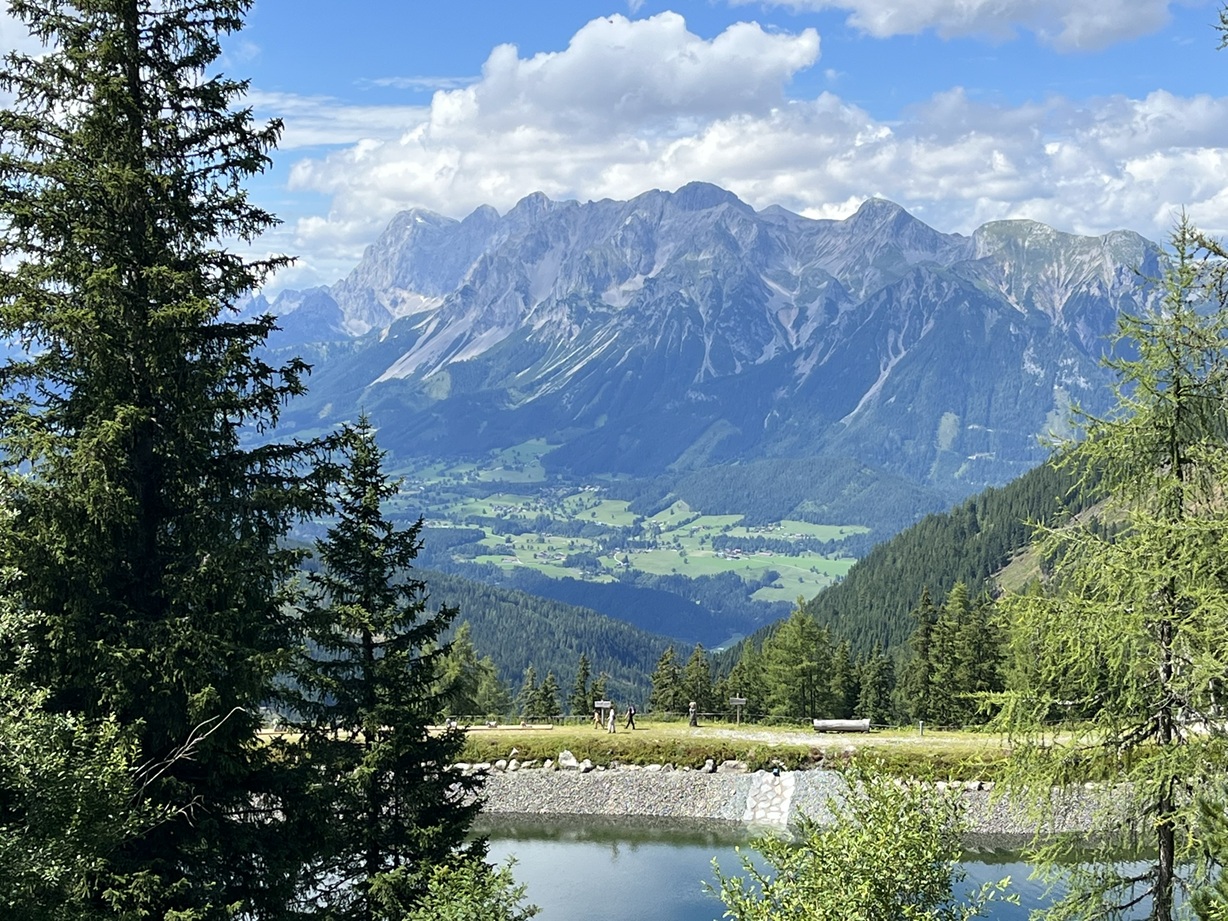
The breadth of activities available in the Austrian Alps during summer is genuinely remarkable. Whether your guests are thrill-seekers, families with young children, wellness enthusiasts, or those simply looking for fresh mountain air and beautiful scenery, Austria delivers. Here we list the range on offer — and it is far from exhaustive:
Hiking and Trail Running
Austria has an extraordinarily well-maintained network of marked hiking trails, ranging from gentle valley walks suitable for families with pushchairs to multi-day alpine routes that demand serious fitness and equipment. The Salzburg Dolomites, the Zillertal Alps, the Hohe Tauern National Park, and the Styrian highlands all offer world-class hiking terrain. Guided tours, hut-to-hut routes with comfortable overnight stays, and sunrise hikes to mountain summits are all popular with summer guests.
Mountain Biking and Cycling
Austria has invested heavily in mountain biking infrastructure, and resorts like Schladming, Leogang, and Saalbach-Hinterglemm are now counted among Europe's premier mountain biking destinations. Lift-accessed downhill trails, purpose-built flow trails, and enduro routes of every difficulty level attract riders from across the continent. Road cycling is equally popular, with the alpine passes — the Großglockner Hochalpenstraße being the most famous — drawing cyclists who want to test themselves against legendary climbs.
Water Sports on Mountain Lakes
Austria's lakes — and particularly those of Carinthia in the south — are among the most beautiful in Europe. The Wörthersee, Millstätter See, Ossiacher See, and Weissensee attract summer visitors in enormous numbers, offering swimming, sailing, windsurfing, kayaking, stand-up paddleboarding, and wakeboarding. The water temperatures in Carinthia's lakes regularly exceed 25°C in summer, making them genuinely comfortable for extended swimming and water activities.
Via Ferrata and Climbing
The Austrian Alps offer some of the finest via ferrata routes in the world — fixed-rope mountain routes that allow people without technical climbing skills to ascend dramatic rock faces with safety equipment. Climbing gyms, climbing schools, and guided tours make this accessible to beginners and experienced climbers alike.
Alpine Wellness and Thermal Spas
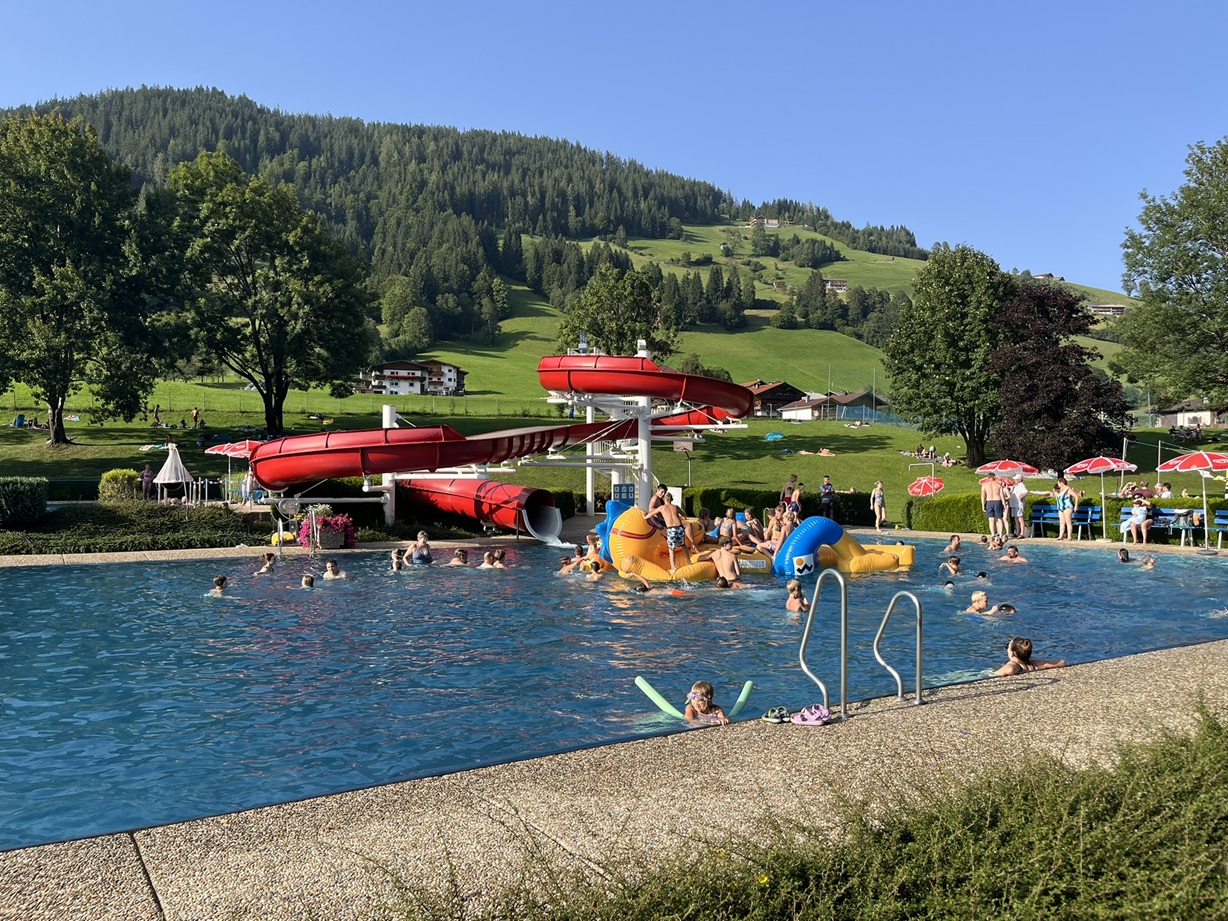
Austria has a long tradition of spa culture, and its mountain wellness offering in summer is exceptional. Many hotels and resorts offer outdoor pools, saunas, and thermal facilities with panoramic mountain views. The Bad Gastein valley in Salzburg, with its thermal radon waters, has been a health destination since the nineteenth century and continues to draw visitors seeking therapeutic treatments alongside mountain scenery. Summer wellness retreats — combining yoga, hiking, and spa treatments — have become a rapidly growing segment of the Austrian tourism market.
Golf
Austria has over 150 golf courses, many of them set in spectacular alpine scenery. Golf tourism is a significant and growing part of Austria's summer visitor economy, with international golfers drawn by the combination of high-quality courses and dramatic mountain backdrops. Resorts in the Salzkammergut, in the Tyrol, and around Carinthia's lakes offer golfing experiences that are hard to match anywhere in Europe.
E-Biking
The rise of electric mountain bikes has genuinely transformed the accessibility of alpine cycling, bringing it within reach of visitors who would never have considered it on a conventional bike. Austria has been quick to embrace this trend, with charging infrastructure, e-bike rental networks, and specifically designed e-bike routes now commonplace across the major resort areas. Families, older visitors, and those of mixed fitness levels can now enjoy long days in the mountains together, which has expanded the demographic of summer visitors considerably.
Paragliding and Air Sports
The thermals and topography of the Austrian Alps make the country a world-class paragliding destination. Tandem flights with qualified pilots are widely available for first-timers, while experienced paragliders come from across Europe to fly in areas such as the Zillertal, the Salzkammergut, and around Zell am See. Hot air ballooning, hang gliding, and via ferrata are similarly popular.
Llama Trekking and Farm Experiences
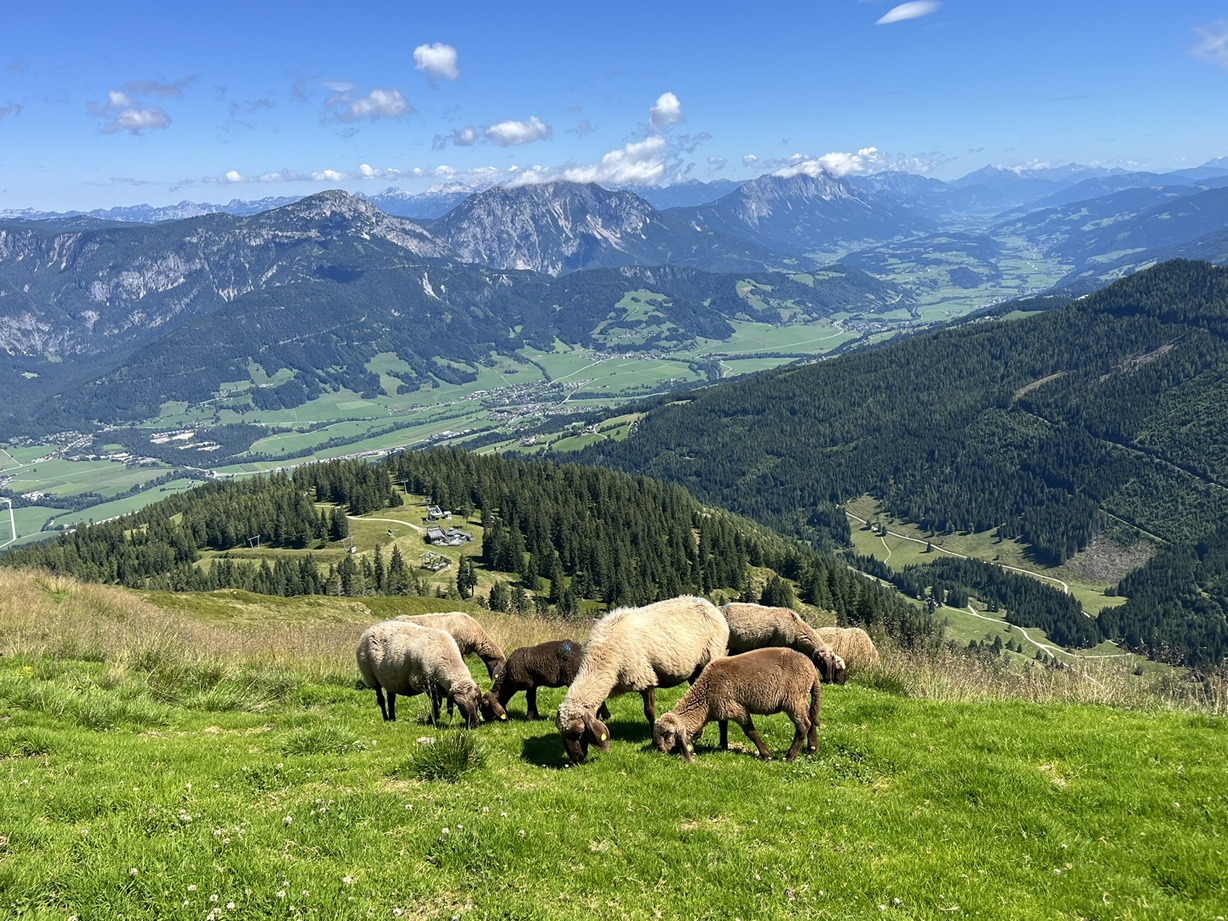
Among the more distinctive and increasingly popular offerings is llama trekking — guided walks through mountain meadows and forest paths led by these charming animals, which carry gear and provide entertainment for children and adults alike. Several farms and alpine operators across Austria now offer this experience, and it has become a genuine hit with families. More broadly, agri-tourism — farm visits, cheese-making workshops, guided herb walks, and hay-bale adventures — connects visitors with authentic alpine rural life in a way that is genuinely memorable and quite different from the skiing experience.
Children's Adventure Parks and Family Activities
My kids always say Austria is the country for children and I add for parent alike. Rope courses, zip lines, boulder parks, wild-water channels, and themed adventure areas are now standard offerings at resorts. They are fun, safe and there is always a delicious coffee shop for the parent waiting.
Cultural Events and Festivals
Austria's summer cultural calendar is packed. The Salzburg Festival — one of the world's great opera and classical music events — runs through July and August and draws visitors from across the globe. But beyond Salzburg, virtually every alpine town and village has its own summer festival programme: traditional Almabtrieb cattle-driving festivals, open-air concerts, folk music evenings, food and wine festivals, and art exhibitions in mountain settings.
The Carinthian Lakes: Austria's Summer Jewel
If one region of Austria has truly come into its own as a summer destination, it is Carinthia. Austria's southernmost province borders Slovenia and Italy, and its climate is noticeably warmer and sunnier than the rest of Austria in summer. The province is home to over 1,200 lakes — many of them crystal-clear, glacier-carved bodies of water surrounded by forested mountains — and it is this combination of warmth, water, and scenery that makes Carinthia uniquely compelling.
The Wörthersee is the best known, a long, elegant lake lined with handsome villas and resort hotels that has attracted wealthy European visitors since the Victorian era. Brahms composed here; Mahler had a lakeside studio. Today it remains glamorous and lively, with water sports, sailing regattas, beach bars, and a thriving restaurant and nightlife scene running through the summer months. The Millstätter See is larger and quieter, surrounded by wooded hillsides and dotted with charming small towns. The Weissensee — Austria's highest bathing lake — is fed entirely by springs and streams, meaning its water is startlingly clear and cold; it has become particularly popular with visitors who value a more tranquil, nature-oriented experience.
There is also a broader demographic shift driving demand for destinations like Carinthia's lakes. Climate change is making the traditional European summer holiday — particularly on the Mediterranean coast — increasingly uncomfortable. August temperatures along the Croatian, Greek, and Spanish coastlines regularly exceed 35°C, sometimes reaching into the low 40s, which is genuinely unpleasant for extended outdoor activity. The lakes of Carinthia, by contrast, offer warm but not oppressive summer temperatures, typically in the mid-20s, with cool mountain air in the evenings. For families with young children, older visitors, and anyone who prefers to be active rather than sedentary during their holiday, the alpine lake experience is increasingly preferable to a scorching Mediterranean beach.
This shift is visible in the booking data. Carinthian lake properties have seen among the strongest growth in summer rental demand of any region in Austria, and in many locations — particularly around the Wörthersee and Millstätter See — summer rental yields now match or exceed those achieved during the winter season. For property investors, this is a significant development.
Guest Cards: The Smart Infrastructure of Summer Tourism
One of the most intelligent features of Austria's summer tourism model is the widespread use of guest cards — regional passes that give visitors staying in registered accommodation access to a wide range of activities, transport, and facilities either free of charge or at a substantial discount. These cards are funded through a combination of tourism levies, regional government support, and contributions from participating businesses, and they create a powerful incentive for visitors to stay longer and spend more.
The Schladming-Dachstein Summer Card is one of the most comprehensive, covering cable car rides, the Dachstein glacier tour, entry to the Steirisches Thermenland spa facilities, guided hiking tours, and a number of family attractions across the region — all included in the accommodation rate. Guests do not pay separately for these experiences; they are part of the package.
The Zell am See-Kaprun Summer Card similarly covers cable cars, lake boat trips, the Kitzsteinhorn glacier, and a selection of local attractions. The Ötztal Card in Tyrol provides access to the valley's outdoor swimming areas, mountain railways, museums, and guided tours. The Nassfeld Summer Card in Carinthia covers the ski area's summer lift operation for mountain biking and hiking, outdoor swimming, and the indoor waterpark. The Innsbruck Card covers the famous Nordkette cable car, the city's major museums, and unlimited use of public transport.
These cards serve multiple functions. For guests, they simplify the holiday experience and provide genuine added value — visitors feel they are getting more than they paid for, which drives satisfaction and repeat bookings. For property owners, they are a powerful marketing tool: the card can be highlighted in rental listings as a key differentiator, and it often makes a property in a card-participating region more attractive than a comparable property in an area without such a scheme. For the region as a whole, the cards keep visitors in the area rather than driving them to neighbouring valleys or day-trip destinations.
For buy-to-let investors, properties in regions with well-established guest card schemes tend to demonstrate stronger summer occupancy and better guest reviews — both of which translate directly into rental income. When evaluating a property investment in the Austrian Alps, it is worth specifically considering which card scheme the location participates in and what that scheme includes.
The Investment Case: Full-Occupancy, Full-Year Returns
For anyone considering a property investment in the Austrian Alps, the shift towards year-round tourism is perhaps the most important structural change of the past decade or so. The traditional model of alpine property investment is still prevalent in other Alpine countries.
That model is increasingly obsolete. In the best-positioned locations, investors can now realistically target strong occupancy across three distinct seasons: winter skiing (December to March), summer activity tourism (June to September), and the shoulder seasons of spring and autumn, which are increasingly popular with hikers, cyclists, and those seeking quieter breaks in beautiful surroundings. The gap in the calendar is narrowing, and in some locations it has effectively closed.
For new-build properties, this shift changes the investment arithmetic significantly. A property that generates strong income across six to eight months of the year rather than three or four is not just more profitable — it is also more resilient. A poor snow season, which can devastate revenues for a purely winter-focused property, has a far smaller impact on a property that generates meaningful summer income. Diversification across seasons is, in investment terms, a form of risk management, and Austrian alpine properties increasingly offer exactly that.
Several other factors strengthen the investment case for Austrian alpine property specifically. Austria's legal and regulatory framework for short-term rental is more stable and predictable than in many other European markets. The country's high-quality construction standards and strong property rights make it a reliable environment for foreign investors. The Austrian tourism sector is professionally managed and internationally respected, which helps maintain the quality and reputation of destinations over time. And the access to major central European markets — Germany, Netherlands, the Czech Republic, Slovakia, Hungary, and beyond — means that the potential guest pool for Austrian alpine properties is enormous.
Invest with Confidence: Speak to Domus Global
At Domus Global, we have built our reputation over many years on a deep understanding of the Austrian property market and the specific dynamics of alpine resort investment. We work with carefully selected developments in promising locations — destinations where summer tourism is already strong or where the foundations for strong summer demand are clearly in place.
We understand that choosing a buy-to-let property in a foreign market is a significant decision, and we bring the local knowledge, developer relationships, and market insight needed to make that decision with confidence. Whether you are drawn to a Carinthian lakeside apartment that commands premium summer rates, a Tyrolian chalet in a resort with a comprehensive summer guest card scheme, or a property in a dual-season destination like Schladming or Zell am See, we can identify the right opportunity for your investment goals.
The Austrian Alps are no longer just a winter story. They are one of Europe's most exciting year-round tourism destinations — and the property investment opportunity that comes with that is one of the most compelling we have seen in a decade.
Get in touch with our team at domus-global.com to discuss your investment goals. We will be delighted to share our current project portfolio and help you find the right opportunity in Austria's Alps.
Back to the list of articles